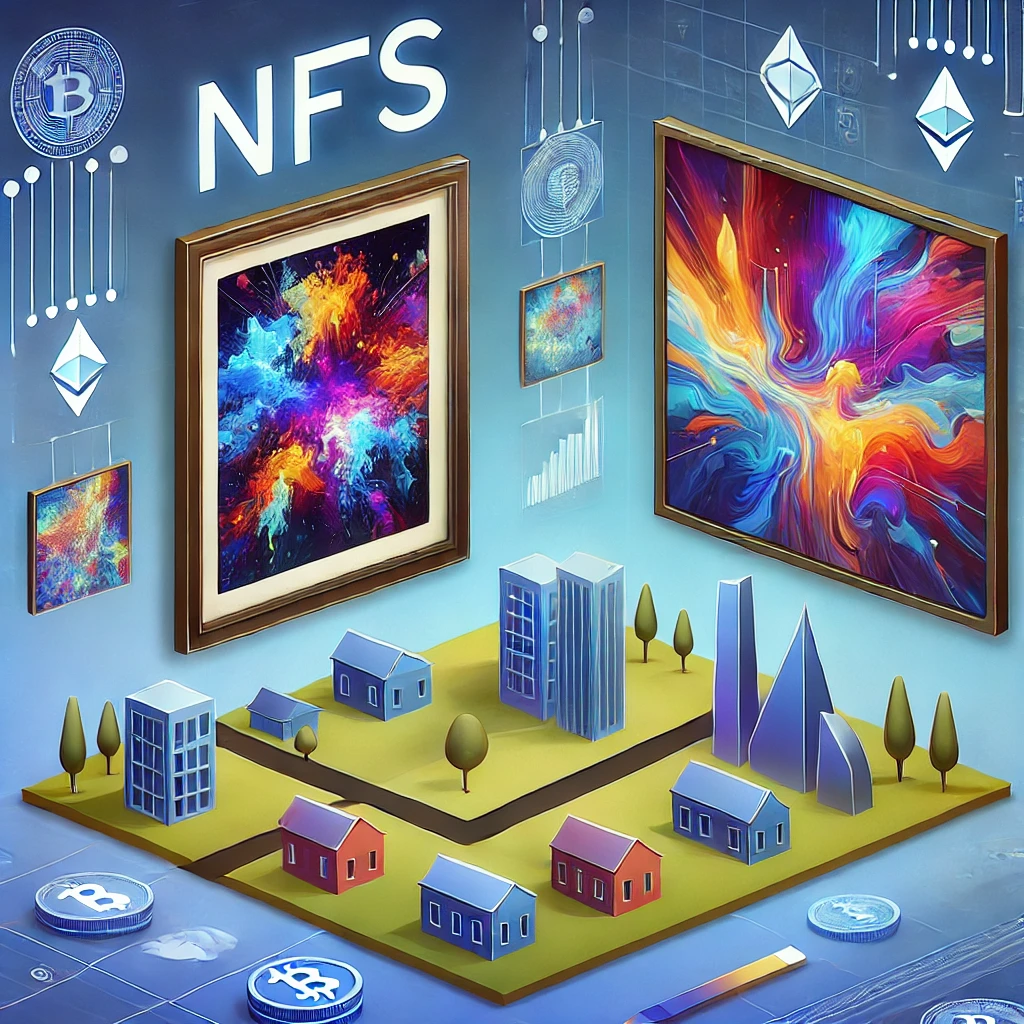
NFTs, or Non-Fungible Tokens, have reshaped digital ownership by providing a means to verify, own, and trade digital assets with real-world implications. Whether in digital art, music, games, or even virtual real estate, NFTs offer a decentralized, blockchain-backed way to create and transfer ownership. Here’s a closer look at what NFTs are, their unique applications, and their impact across industries.
What Are NFTs?
NFTs are digital tokens representing ownership of a unique asset, typically hosted on blockchain platforms like Ethereum. Unlike cryptocurrencies such as Bitcoin or Ether, NFTs are “non-fungible,” meaning each one has a unique value and cannot be exchanged on a one-to-one basis with another NFT. This uniqueness is what makes NFTs appealing for digital ownership and enables them to act as certificates of authenticity for digital assets.
How Do NFTs Work?
NFTs rely on blockchain technology to record ownership details, ensuring the provenance of digital assets. When an NFT is created, or “minted,” the asset receives a unique identifier on the blockchain, which cannot be altered. This identifier links the NFT to the original creator, details about the asset, and ownership history, making it easier to trace and verify.
NFTs can represent nearly any digital item, including artwork, collectibles, music, or virtual land. Each NFT is stored on the blockchain, where its data remains accessible and secure, ensuring buyers own a verifiable, authentic piece of digital content.
NFTs in Digital Art
Digital art is among the most popular applications of NFTs. Artists can mint their work as NFTs, providing buyers with proof of ownership and a record of authenticity. This digital ledger also means artists can receive royalties on future sales, something difficult to enforce in the traditional art world. This ability to track ownership and support artists has made NFTs highly attractive, resulting in record-breaking sales and a burgeoning market for digital art.
NFTs in Virtual Real Estate
Virtual real estate is another area where NFTs are redefining ownership. Virtual worlds like Decentraland and The Sandbox offer parcels of digital land that users can buy, sell, or develop, similar to physical real estate. Each parcel of land is represented by an NFT, proving ownership. Investors and brands are purchasing virtual real estate for various uses, including hosting events, building virtual storefronts, or creating digital experiences for users.
This digital real estate can hold significant value, especially as brands and communities invest in virtual worlds. For instance, a piece of land in Decentraland has sold for hundreds of thousands of dollars. These transactions highlight the potential for NFTs to create value and ownership in digital spaces.
Beyond Art and Real Estate: NFTs in Gaming and Collectibles
NFTs are also transforming gaming and collectibles. In gaming, NFTs can represent in-game assets like weapons, skins, or characters that players can own and trade outside the game’s ecosystem. Games like Axie Infinity and CryptoKitties use NFTs to create value within their platforms, allowing players to earn or invest in game items that hold real-world value.
In the collectibles sector, NFTs have enabled a digital version of traditional collectibles, allowing people to buy, sell, and trade items like virtual trading cards, music, or memorabilia. This new form of collecting has unlocked markets for digital trading cards and memorabilia and provided creators with new ways to monetize their work.
The Future of NFTs
The potential for NFTs extends far beyond the current use cases. As technology and platforms evolve, NFTs may integrate into sectors like education, finance, and personal identity, providing a decentralized way to manage and verify credentials, licenses, and even health records.
While NFTs offer new opportunities, they also bring challenges, such as high transaction fees, environmental concerns from blockchain energy use, and legal questions about intellectual property. However, continued innovation and improved blockchain technology promise to address these concerns, opening doors to more sustainable and accessible NFT applications.
Conclusion
NFTs have unlocked a new era of digital ownership, empowering creators and redefining how we perceive and value digital assets. From art and music to virtual real estate and gaming, NFTs provide unique ways to buy, sell, and trade digital content with real-world impact. As blockchain technology advances, NFTs will likely expand their role, shaping digital experiences and transforming industries worldwide.