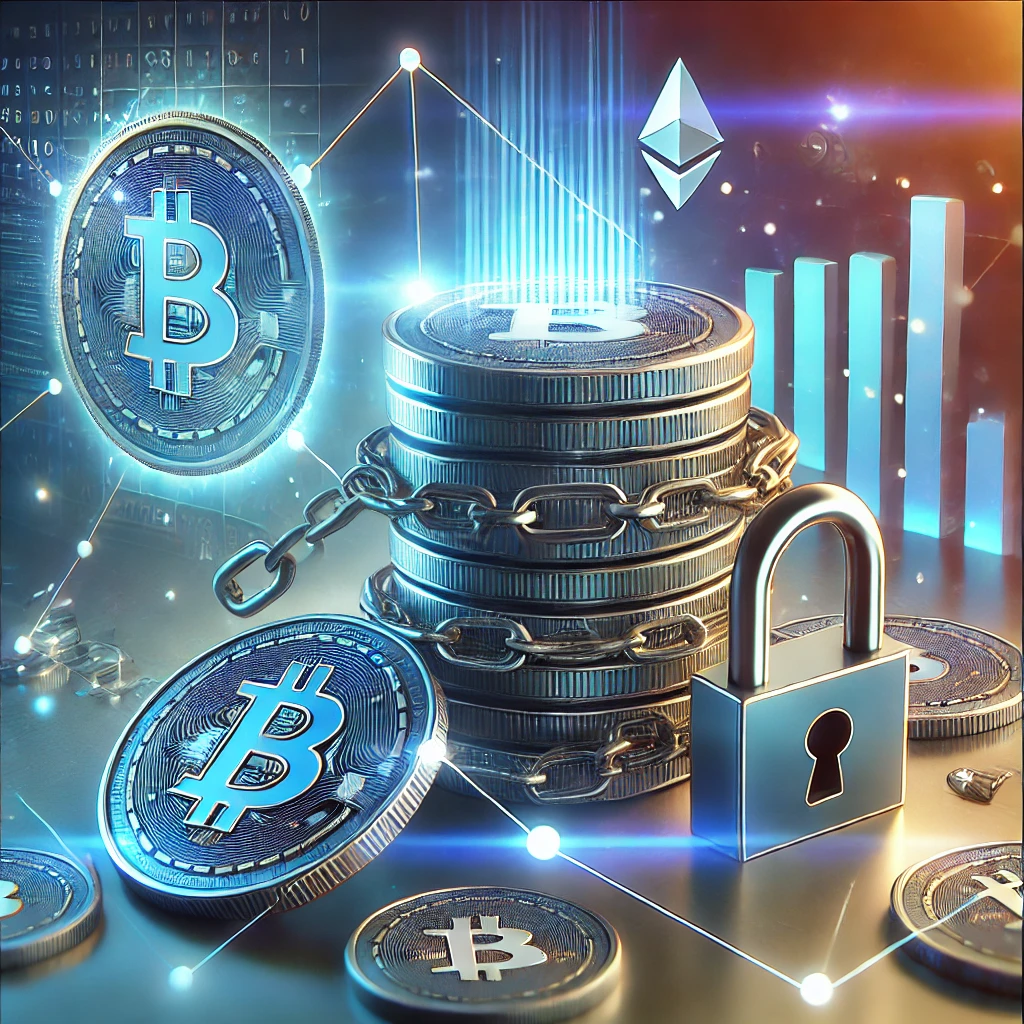
Risks and Rewards of Crypto Staking: Is it Worth It?
In the world of cryptocurrencies, staking has emerged as a popular way for investors to earn passive income. By locking up digital assets, individuals can participate in securing blockchain networks and receive staking rewards in return. But like any investment strategy, crypto staking has its risks and rewards. Here’s a closer look to help you weigh the pros and cons and decide if staking is worth your time and assets.
What is Crypto Staking?
Crypto staking is the process of holding and locking up digital assets to support the operations of a blockchain network, particularly those that use a Proof-of-Stake (PoS) or similar consensus mechanism. When you stake your tokens, you contribute to the security and efficiency of the blockchain, and in return, you receive rewards. These rewards come in the form of new tokens, representing both an incentive and an income opportunity.
The Rewards of Staking
- Passive Income Generation
Staking allows investors to generate a relatively stable income without the need for active trading. The rate of return on staking can vary, but it often surpasses what traditional savings accounts or fixed deposits offer. For example, depending on the cryptocurrency and platform, staking rewards can range from 5% to as high as 20% per year. - Contribution to Network Security
By staking, investors play an essential role in securing and validating the network. This not only supports the blockchain’s health but also contributes to the stability and trustworthiness of the ecosystem, especially when decentralized networks rely on participants to maintain consensus. - Potential for Compounding
Some staking platforms allow users to compound their rewards, leading to exponential growth over time. With reinvestment, your staking yield can multiply, potentially offering significant returns, especially if the asset’s value appreciates over time.
Risks Involved in Crypto Staking
- Market Volatility
The most apparent risk is the volatility of cryptocurrency prices. If the asset you’re staking declines in value, your staking rewards could be less valuable than expected. Unlike traditional investments, crypto prices are highly volatile, and the decrease in token value can sometimes offset the rewards earned from staking. - Lock-up Periods
Many staking programs require you to lock up your assets for a specific period, during which they are inaccessible for trading or withdrawal. If the market shifts unfavorably, you won’t be able to sell your staked tokens, potentially leading to significant losses if the asset value drops. - Slashing Risks
Certain PoS blockchains implement a “slashing” penalty, which reduces the stake or penalizes stakers if they act maliciously or if their staked nodes encounter issues. Even minor errors or system downtimes can lead to slashing, impacting the staker’s investment. - Platform Security Risks
Staking is usually done through a platform, which could be either centralized (exchanges) or decentralized (DeFi protocols). Both options have vulnerabilities. For example, centralized platforms can be susceptible to hacking, while DeFi protocols can contain smart contract bugs, potentially putting staked assets at risk.
How to Mitigate Staking Risks
- Research the Project and Platform
Not all staking opportunities are created equal. Ensure the project has a solid reputation and that the platform you’re staking on is reputable, secure, and transparent about its policies. - Diversify Staking Options
Diversifying across multiple staking projects can help reduce risk. By spreading your assets across different networks or even stablecoin staking options, you can mitigate potential losses from any single project’s performance. - Consider Staking Liquid Tokens
Some platforms offer “liquid staking” services, where stakers receive a derivative token representing their staked assets. These tokens can be traded or used in DeFi ecosystems, providing flexibility if market conditions change.
Is Staking Worth It?
Crypto staking offers an intriguing opportunity for passive income with potential for high returns, especially compared to traditional financial products. However, it’s essential to balance the rewards with the risks involved. For those comfortable with market volatility and willing to lock up assets, staking can be a valuable addition to a diversified crypto portfolio.
On the other hand, newcomers or risk-averse investors should carefully evaluate staking’s lock-up periods and market volatility risks. Ultimately, understanding the landscape, choosing trustworthy projects, and managing risk wisely are critical steps to making the most of staking opportunities. With these considerations in mind, staking could indeed be a profitable venture in the rapidly evolving world of crypto finance.