Introduction
The world of cryptocurrency is constantly evolving, with new technologies and solutions emerging to address existing challenges. One such challenge is the scalability and speed of transactions on popular blockchain networks like Bitcoin and Ethereum. Layer 2 solutions have gained significant attention as a potential answer to these issues, offering faster, more efficient transactions while maintaining the security and decentralization of Layer 1 blockchains. This article explores what Layer 2 solutions are, how they work, and the benefits they bring to the crypto ecosystem.
What Are Layer 2 Solutions?
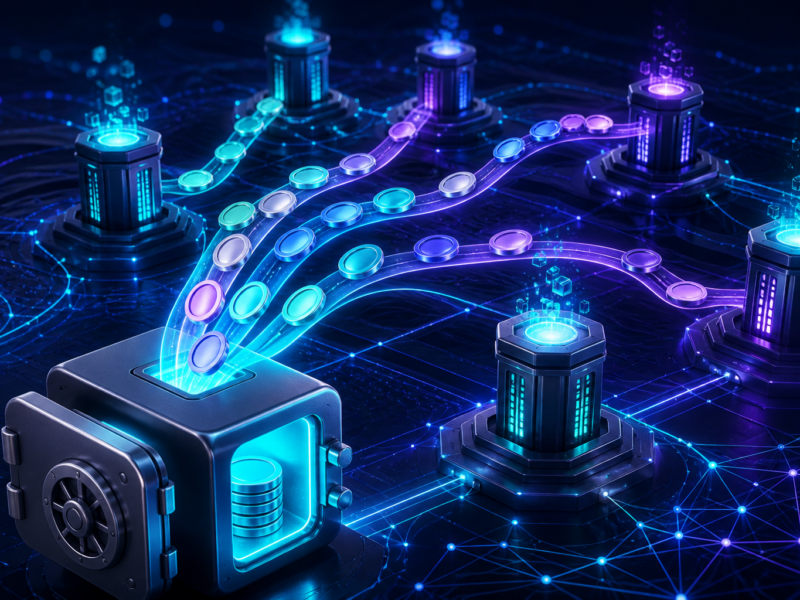
Layer 2 solutions refer to secondary frameworks or protocols that are built on top of existing blockchain networks (Layer 1). These solutions aim to improve transaction speed and scalability without altering the underlying blockchain’s security and decentralization features. By processing transactions off-chain and then recording them on the main chain, Layer 2 solutions can significantly reduce network congestion and transaction fees.
Types of Layer 2 Solutions
There are several types of Layer 2 solutions, each with unique mechanisms and advantages:
- State Channels: State channels allow transactions to be conducted off-chain between participants. Only the final state is recorded on the blockchain, which reduces the number of transactions that need to be processed on-chain. Examples include Bitcoin’s Lightning Network and Ethereum’s Raiden Network.
- Plasma: Plasma is a framework for creating a scalable blockchain by building a network of child chains connected to a main chain. These child chains can handle complex computations off-chain and only commit minimal data to the main chain, which helps in reducing congestion and improving transaction speed.
- Rollups: Rollups bundle multiple transactions into a single transaction off-chain and then submit a summary to the main chain. There are two types of rollups: optimistic rollups and zero-knowledge (zk) rollups. Optimistic rollups assume transactions are valid by default and only verify them if challenged, while zk-rollups use cryptographic proofs to validate transactions before posting them on-chain.
- Sidechains: Sidechains are independent blockchains that run parallel to the main chain and can interact with it via two-way pegs. They allow assets to move between the main chain and the sidechain, enabling faster transactions and lower fees while still benefiting from the security of the main chain.
Benefits of Layer 2 Solutions
- Scalability: By offloading transactions from the main chain, Layer 2 solutions can significantly increase the number of transactions per second (TPS) a blockchain can handle, making it more scalable.
- Lower Transaction Fees: With fewer transactions being processed on-chain, network congestion is reduced, which in turn lowers transaction fees. This makes micro-transactions and other use cases more feasible.
- Faster Transactions: Layer 2 solutions can drastically reduce the time it takes to confirm transactions, enabling near-instant payments and interactions. This is particularly beneficial for use cases like gaming, where speed is critical.
- Maintained Security: Since Layer 2 solutions ultimately settle transactions on the Layer 1 blockchain, they inherit its security properties. This ensures that while transactions are faster and cheaper, they remain secure.
Real-World Applications of Layer 2 Solutions
- Decentralized Finance (DeFi): DeFi platforms can benefit greatly from Layer 2 solutions by offering faster and cheaper transactions. This can enhance user experience and enable the development of more complex financial products.
- Non-Fungible Tokens (NFTs): The growing popularity of NFTs has led to congestion and high gas fees on networks like Ethereum. Layer 2 solutions can help reduce these fees and improve the speed of NFT transactions.
- Payment Solutions: Solutions like the Lightning Network are already being used for micro-payments and fast, low-cost transactions, making cryptocurrencies more viable for everyday purchases.
The Future of Layer 2 Solutions
As the demand for faster and more scalable blockchain networks continues to grow, Layer 2 solutions will play a crucial role in the evolution of the crypto space. With ongoing research and development, these solutions are expected to become more efficient, user-friendly, and widely adopted. The integration of Layer 2 solutions could be a significant step towards achieving the vision of a decentralized, scalable, and secure global financial system.
Conclusion
Layer 2 solutions offer a promising pathway to overcoming the scalability and speed limitations of current blockchain networks. By enabling faster transactions, lowering fees, and maintaining security, these solutions have the potential to unlock new possibilities in the world of cryptocurrency. As adoption grows and technology advances, Layer 2 solutions will likely become an integral part of the blockchain ecosystem, paving the way for a more efficient and accessible future for digital assets.